得意とする修復分野、素材
Our areas of expertise in restoration, materials
修復士の岩田の修復・保存技術と知識は、英国バッキンガムシャー チルターンズ大学(Buckinghamshire Chilterns University College)現在のバッキンガムシャー ニュー大学(Buckinghamshire New University)のアンティーク家具修復・保存学科を卒業しているので、アンティーク家具がベースになっています。
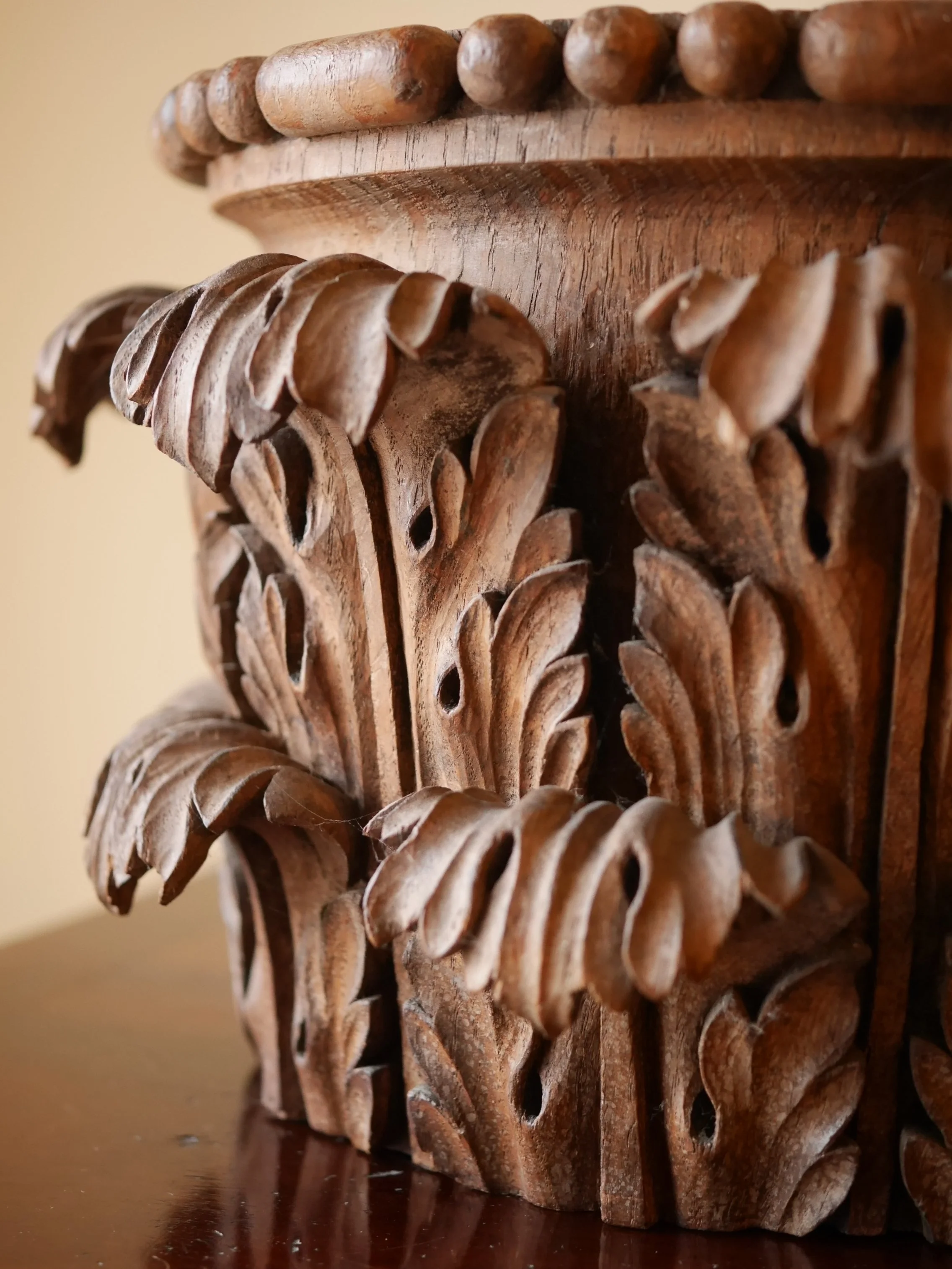
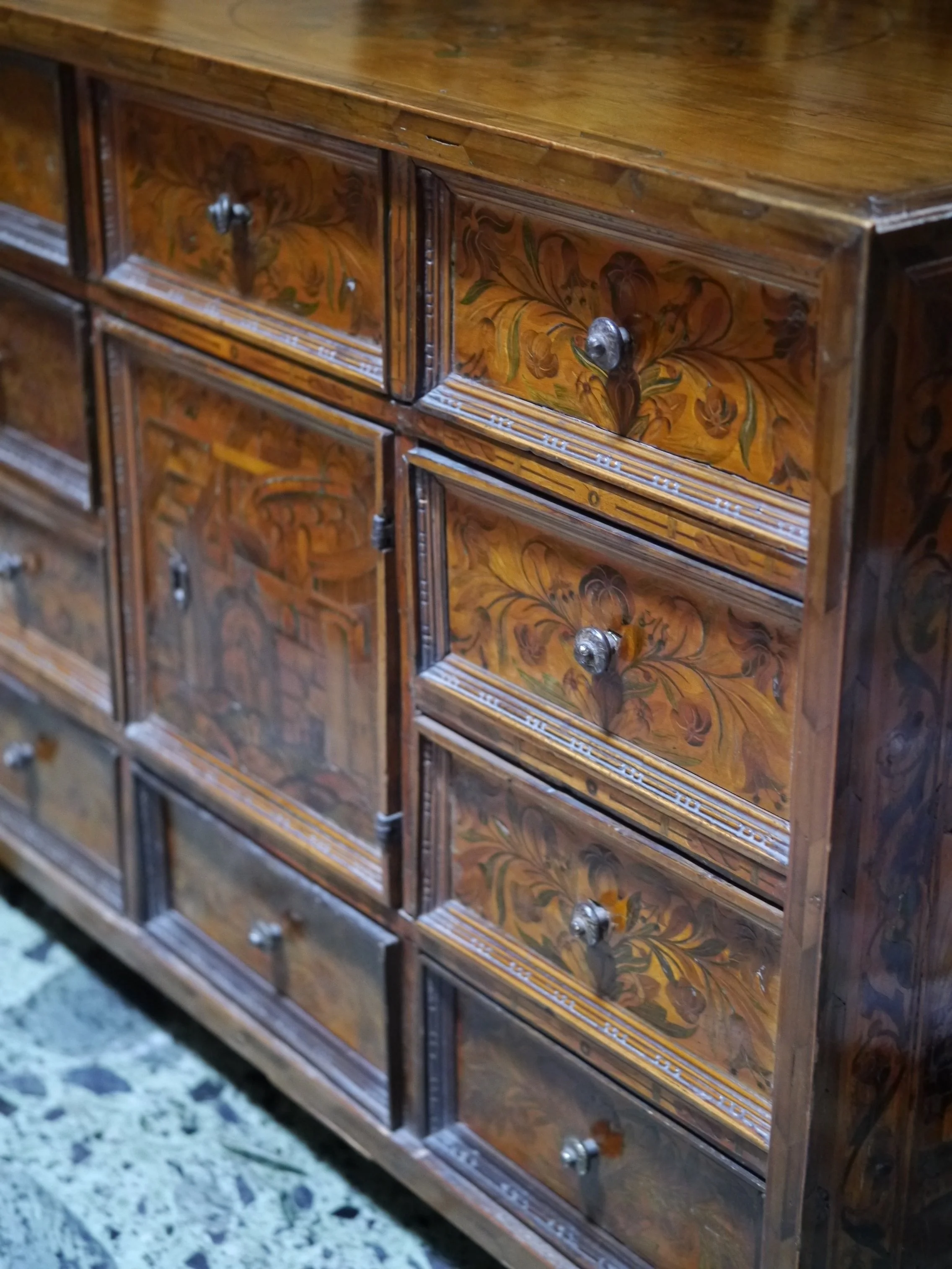
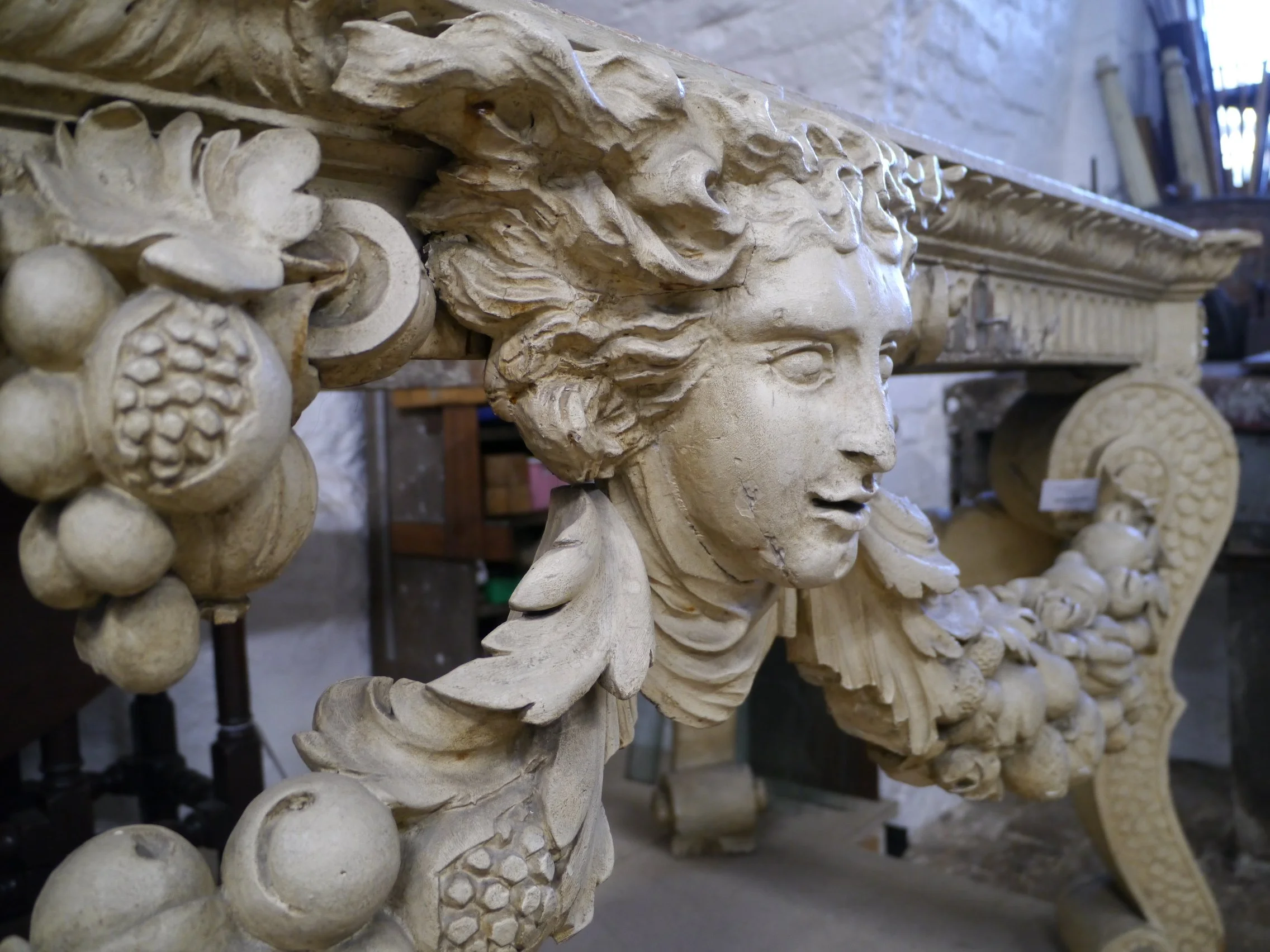
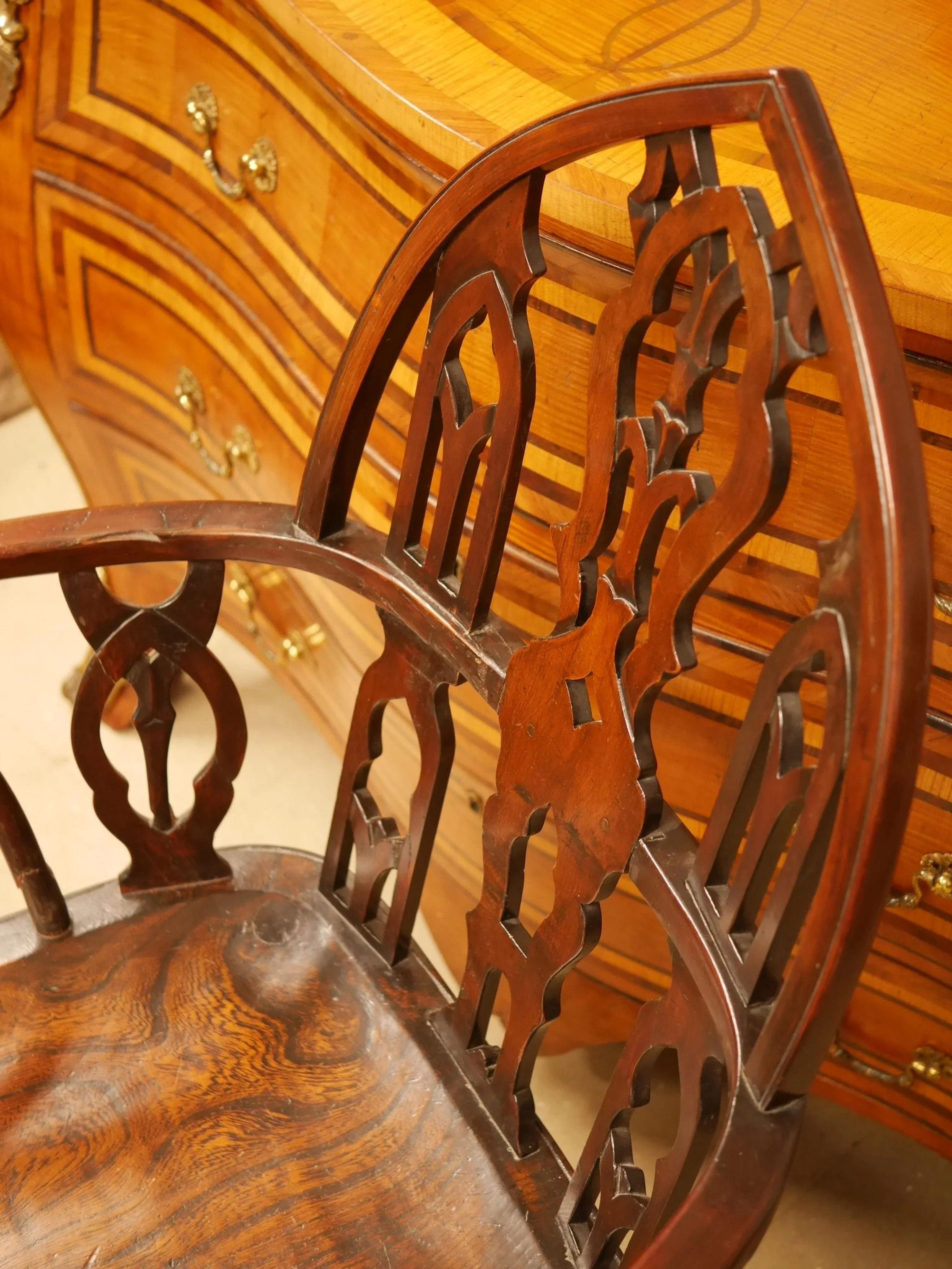
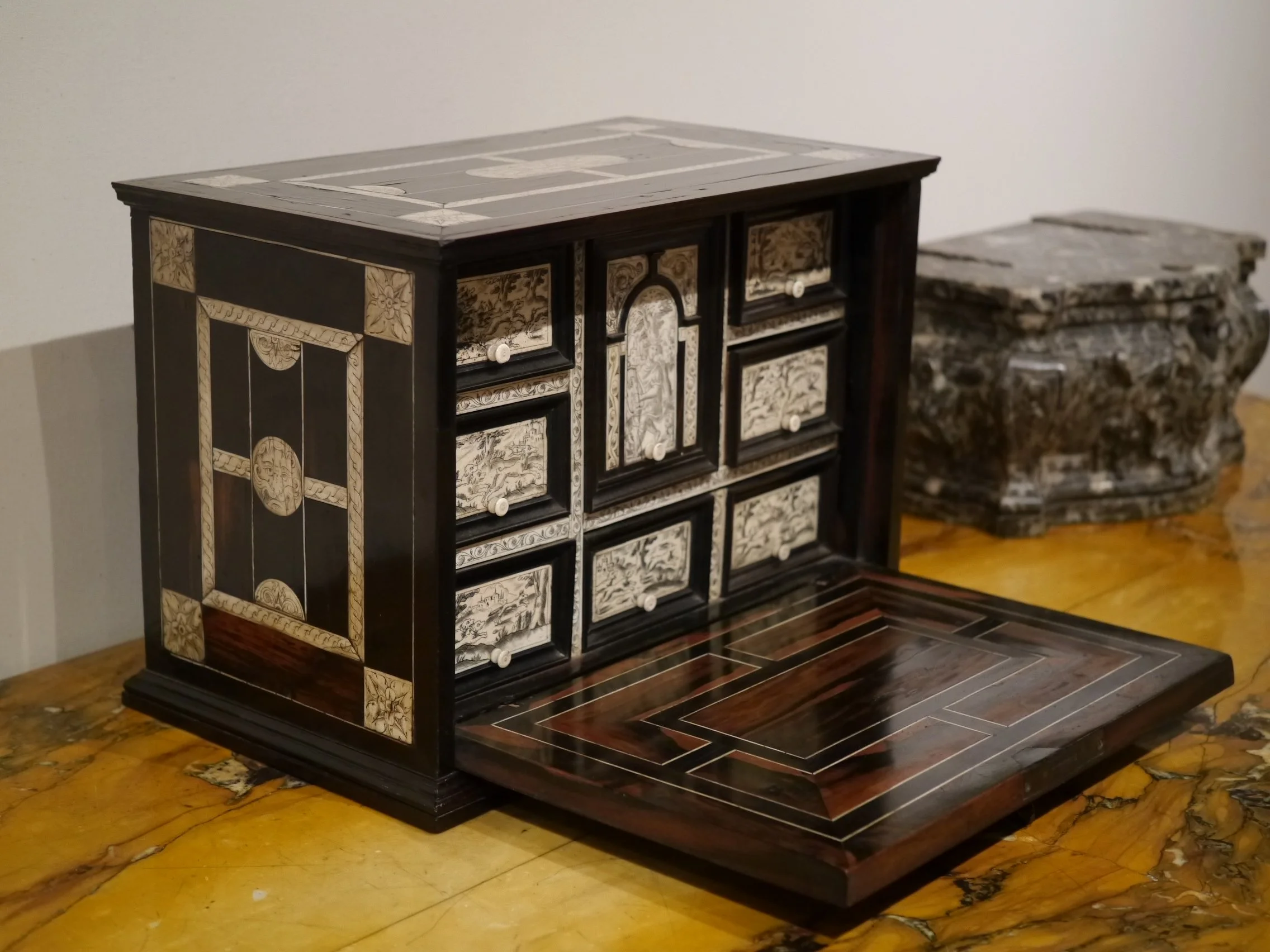
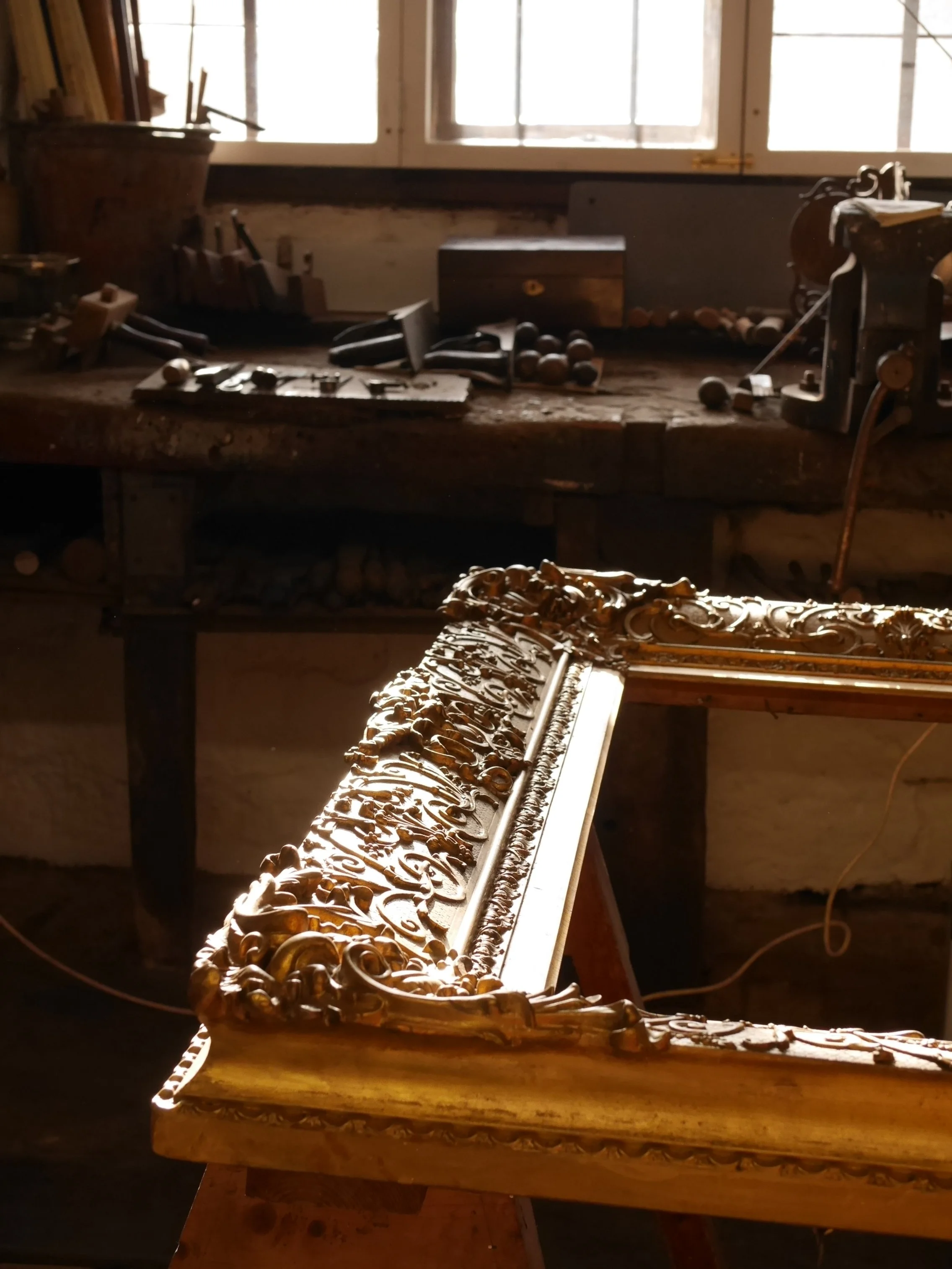
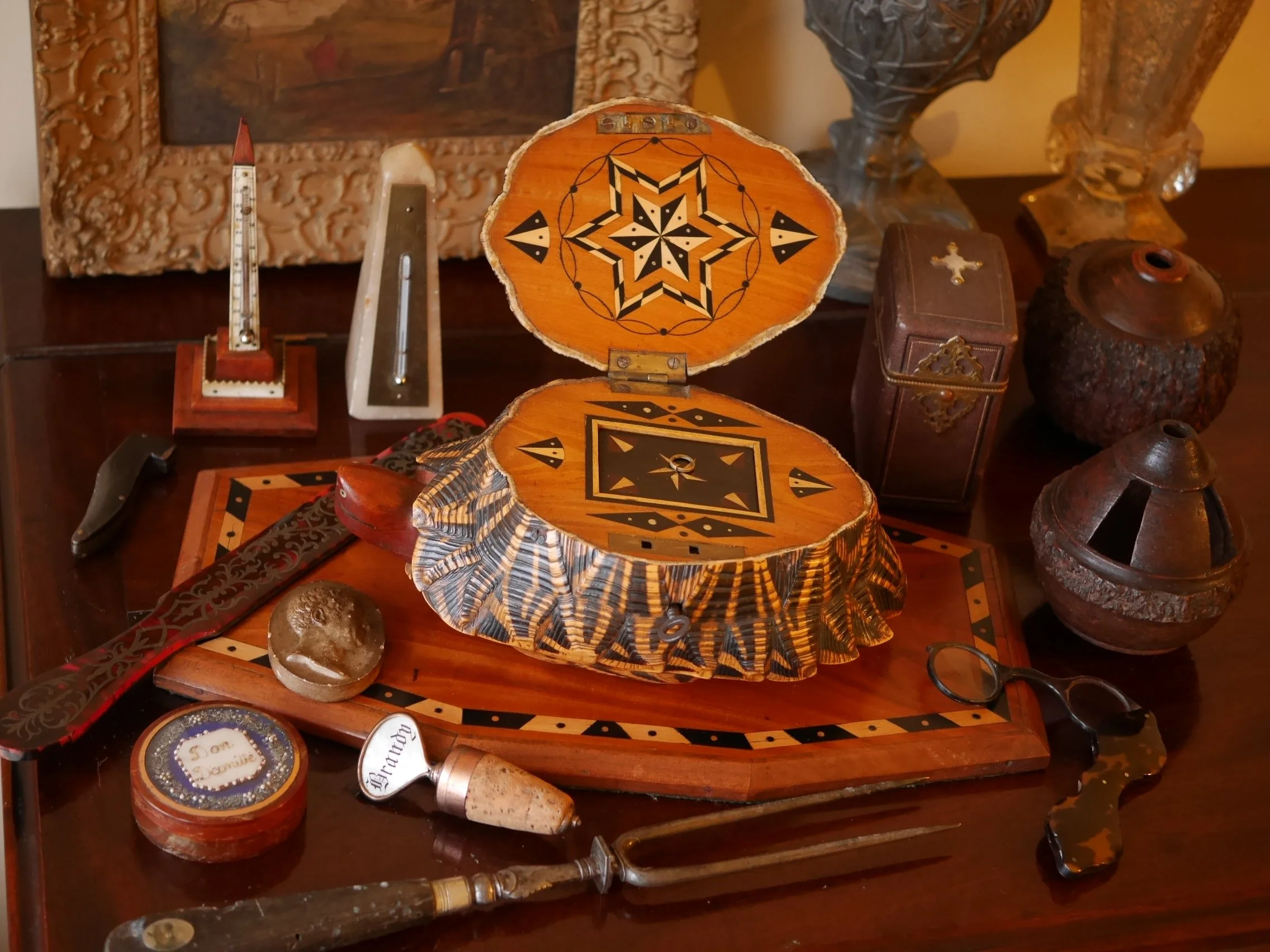
アンティーク家具修復、塗装(フレンチポリッシュ)、彫刻、象嵌細工(インレイ)、寄木細工(マーケトリーとパーケトリー)、ブール細工(真鍮と鼈甲の象嵌細工)、パピエマシェ、紛失した鍵の製作、金箔張り(ギルディング)、古い模型の修復、修復、コレクタブルな小物のアンティーク、美術品の修復など、幅広く行なっています。西洋アンティークが中心ですが、日本の骨董品、東洋アンティーク、アジアアンティーク、トライバルアート(民族アンティーク)も修復してきました。
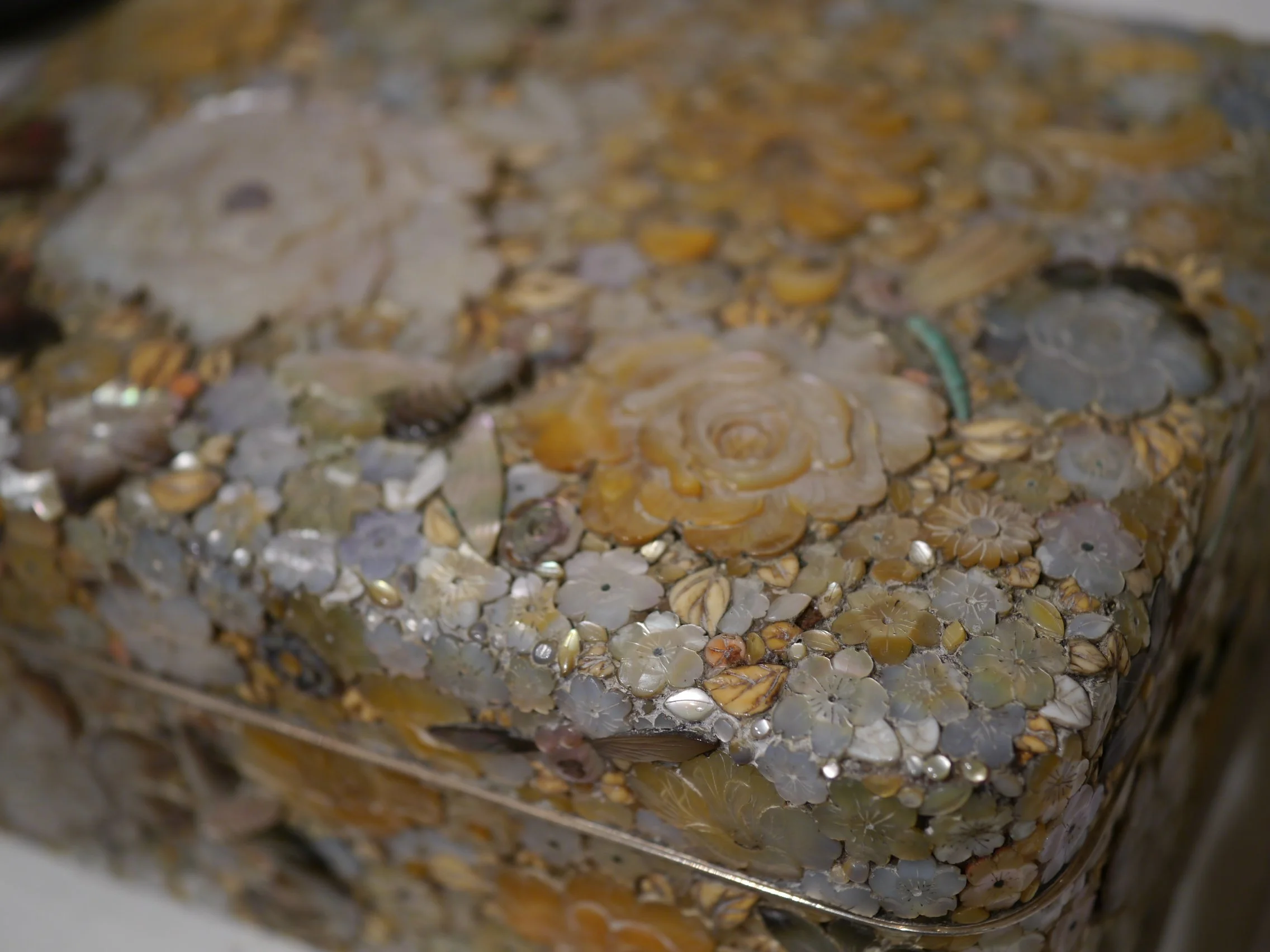
修復できる素材は、木材、象牙、骨、べっ甲、角、螺鈿細工など、また一部の金属の修復も承っております。
修復で頻繁に使用する接着剤は伝統的な膠(にかわ)を使います。一般的に使われる木工用ボンドや瞬間接着剤などの現代のボンドは数十年経過すると劣化することが証明されています。100年後にはどうなるかわかりません(これらのボンドが生まれてまだ100年も経過していないので、100年後にどうなるか誰も見たことがない)。膠はエジプト文明が栄えた頃から使われた自然由来の接着剤です。ですので、100年後、200年後、500年後、1000年後、2000年後にどのようになるかわかっているのです。そして強度も、木工用ボンドよりもはるかに強いのです。このように、素材にこだわるからこそ、私の工房で修復したものは、100年、200年、300年と長い時間を経ても良い状態を保つことができるのです。修復したものの未来を考えると接着剤は膠一択です。膠は木工用ボンドのようにすぐ使えたり、すぐ乾くことはないので、準備や手間がかかりますが、修復後のことを考えるとベストな選択です。
使用する膠は、アニマルグルー、フィッシュグルー、稀にスタージェングルー(チョウザメ)です。
注意:他店での修理歴があり、現代の接着剤(ボンド等)が使用されているものについては、別途剥離費用が発生することがあります。強固なボンドの除去には長時間を要するため、修復費用に上乗せされる形となります。膠を使用した修理跡については、追加費用なしで対応可能です。
また、当工房での塗装は、ウレタン塗装、ラッカー塗装、アクリル塗装、またはスプレー塗装といった現代的な塗装は一切行なっておりません。私たちが採用しているのはシェラックの塗装です。シェラックは、カイガラムシの分泌物から作られる天然由来の物質で、パッドで何層にも丹念に塗り重ねていくフレンチポリッシュという塗装を行います。このように古くから使われている天然素材を可能な限り使用し修復しています。
当工房ではガラス、陶器などの修復は承っておりません。
問い合わせの際に、状態がわかる写真や詳細をお知らせいただければ、修復が可能かどうかお返事させていただきます。お手元の品について気になることがあれば、お気軽にご相談ください。
Mr Iwata's restoration and conservation techniques and knowledge are grounded in antique furniture, having graduated from the Department of Antique Furniture Restoration and Conservation at Buckinghamshire Chilterns University College (now Buckinghamshire New University) in Buckinghamshire, UK.
Antique furniture restoration, finishing (French polish), carving, inlay work, marquetry and parquetry, boule work (inlay using brass and tortoiseshell), papier-mâché, making lost keys, gilding, restoring old models, and repairing collectable antique small items and artworks. While Western antiques form the core of our work, we have also restored Japanese antiques, Oriental antiques, Asian antiques, and Tribal Art (ethnic antiques).
We undertake restoration of materials including wood, ivory, bone, tortoiseshell, horn, mother-of-pearl inlay, and certain metals.
For restoration, we frequently use traditional Animal glue and Fish glue (Nikawa) as our primary adhesive. Modern adhesives commonly used today, such as wood glue or instant adhesives, have been proven to deteriorate after several decades. What happens after 100 years is unknown (as these adhesives have not yet existed for a century, no one has observed their long-term behaviour). Animal glue, a natural adhesive used since the height of Egyptian civilisation, has a proven track record over centuries. We know its condition after 100, 200, 500, 1000, or even 2000 years. Moreover, its strength far exceeds that of modern wood glue. By insisting on such materials, items restored in my workshop can remain in good condition for 100, 200, 300 years, and beyond. Considering the long term, animal glue is the only choice for adhesives. Animal glue does not dry instantly like wood glue; it requires preparation, effort, and consideration of temperature and humidity during use. However, when considering the restoration's longevity, it is the safe choice.
The animal glues I use are animal glue, fish glue, and occasionally sturgeon glue.
Note: Where a previous repair has caused damage to the area and has been restored at our workshop using modern adhesives, thorough removal is necessary. Many modern adhesives require considerable time for removal. The cost of this will be added to the restoration fee. Regardless of age, if the adhesive is traditional animal glue, removal is straightforward and incurs no additional charge.
We do not apply modern finishes such as urethane, lacquer, or acrylic coatings. Nor do we use spray polish. We apply shellac finishes. Shellac utilises a natural substance secreted by lac bugs feeding on tree sap. We use the French polish technique, applying multiple layers using a pad. In this manner, we strive to restore pieces using traditional materials wherever possible.
Items not restored by our workshop include glass, ceramics, etc.
Should you have any enquiries, please feel free to contact us. We will assess whether restoration is feasible based on descriptions or photographs provided.